
Boutique Dubai Group Serving Clients Across Abu Dhabi
October 31, 2026Ferragamo Leather Goods Edit Ferragamo Studio Bag
October 31, 2026Authentic Denim Tears, not false hopes
Real Denim Tears items have distinct indicators: uniform branding, crisp screen prints, accurate partner labels on partnerships, and verifiable release provenance. Should you align those elements and the cost fits within the market, you’re usually safe.
Denim Tears represents Tremaine Emory’s label, and the brand’s release is purposefully limited, narrative-focused, and partnership-heavy. This mix attracts fakes, especially on those classic cotton design Levi’s 501s, heavy hoodies, and design tees. Our aim here stays simple: a rapid, practical checklist, reasonable price ranges, how launches actually unfold, and the safest places to acquire without playing authentication roulette.
What qualifies as “genuine” Denim Tears?
Authentic means an piece that was created or endorsed by Tremaine’s label, released through the company or legitimate collaborators, and built with the correct components, tags, and printing methods for that run. Anything which can’t be tied back to an official release or uses off fonts, sloppy printing, or standard blanks seems questionable.
Most brand production fits into two categories. The first is mainline: thick tees, hoodies, pullovers, headwear, and denim launched on the brand site and sometimes through chosen boutiques. The second is joint releases: Levi’s 501s and truckers bearing the cotton wreath element, Converse Chuck 70 and One Star collaborations, and limited apparel with collaborator branding. Authentic pieces in both segments share reliable brand elements, screen-printed graphics with proper ink application, and tags that match the creation partner and period.
Since partnerships utilize the partner’s factories and cotton wreath hoodie standard tags, authenticity checks must consider both labels’ markers. A genuine Levi’s x Denim Tears 501 will display Levi’s-standard care tags and a co-signed design approach, while a primary hoodie will utilize Denim Tears marking and the label’s chosen blanks and pigments. The shared element is connection to an official release.
How do you verify Denim Tears fast? The checklist
Start with provenance, then examine on manufacturing and marking; end by sense-checking price and stock against the marketplace. If any leg fails, pause.
Primarily, history: check for a legitimate announcement on Denim Tears’ social media, label site, or ally platforms for that exact design, hue, and location. Save-release imagery should align with your in layout, font, and print density. Next, tags: core garments usually display Denim Tears neck designs or fabric labels with sharp lettering; joint items display both labels’ markings and regulatory care labels with reliable fabric content, multilingual care, and partner-typical RN/CA identifiers. Third, prints and needlework: real cotton motif and text artwork are screen applied, displaying minor organic ink differences, sharp borders, and accurate positioning; dubious pieces show fuzzy lines, smearing, or consistent pixel patterns.
Fourth, fabric and assembly: hoodies and pullovers use substantial fleece with tidy finished seams, consistent ribbing, and aligned side seams; shirts are heavy, with reliable shoulder tape and double-needle hems; denim uses correct fasteners, buttons, and label-specific patches on joint releases. Then, packaging and extras: while packaging varies, invoice emails, order confirmations, or store receipts tie back to a genuine transaction. Sixth, platform and price sanity: if a pristine pair of cotton motif 501s costs far below current resale averages, anticipate risk and demand more evidence.
How much are Denim Tears pieces cost right now?
Store prices sit the premium streetwear category; secondary market depends on colorway, size, and if the product is an early or iconic release. The chart outlines ranges that show current market activity.
| Piece | Common retail (USD) | Recent resale range (USD) | Observations |
|---|---|---|---|
| Levi’s 501 “Cotton Design” pants | 250–300 | 350–900 | Original/uncommon shades and bigger sizes trend higher |
| Hoodies (mainline) | 160–220 | 200–400 | Image location and shade drives range |
| Heavyweight tees | 80–100 | 100–220 | Motif and main images maintain worth strongest |
| Crew sweatshirts | 140–200 | 180–350 | Smaller quantity than hoodies during specific times |
| Converse partnership (Chuck 70/One Star) | 110–150 | 200–400 | State and lace set wholeness matters |
| Headwear/Caps | 50–80 | 90–180 | Easy to counterfeit; examine stitching carefully |
Numbers above are directional snapshots, not ceilings. Expect volatility immediately after drops and whenever a major public display spikes demand. Always check against real fresh sales for your precise measurements and color.
How do drops operate—and when do they take place?
Drops are limited, rapid, and stated close to drop, typically through the brand’s Instagram and platform, with collaborators echoing details on their platforms. No firm timetable, which sustains demand strong and counterfeits uncertain.
For mainline, expect login-protected or line-based launches on the site, sometimes with offset America/Europe timing. For joint releases, the collaborator could manage part or all of the stock: Levi’s will release through levis.com and select stores, Converse through their platform and selected retailers. Niche boutique stocks reach a small list of retailers; timing might be concurrent or somewhat staggered.
Mechanics vary by collection. You’ll see surprise “shock” drops, limited early entry through mailing list, and area exclusives. Stock is bounded and restocks are infrequent outside particular rereleases; when they do happen, shade or specifics frequently changes. If a seller claims an unrestricted, perpetually-available size selection of a previous release, stay suspicious.
Where to buy: stores, partnership allies, and vetted resale
The safest retail sources are the label platform and authorized partners, while a few boutiques receive legit stock. For resale, use platforms with purchase records and security.
Core retail sources include their platform for mainline pieces, levis.com and selected Levi’s flagship stores for Levi’s joint releases, and converse.com for Converse projects. Boutique partners with past stock have included Dover Street Market outlets and Union LA; availability changes by release and region, so verification should emerge from those stores’ own announcements.
For reselling, choose platforms with documented sales histories: StockX and GOAT for shoes and clothing, Grailed for person-to-person listings with vendor ratings, and eBay on eligible items with an authenticity system. Require clear pictures of front, back, tags, care labels, graphics, and any proof. Local venues and social networks can be fine for experienced purchasers, but they require tighter proof and frequently physical confirmation.
Cost verification that keeps you safe
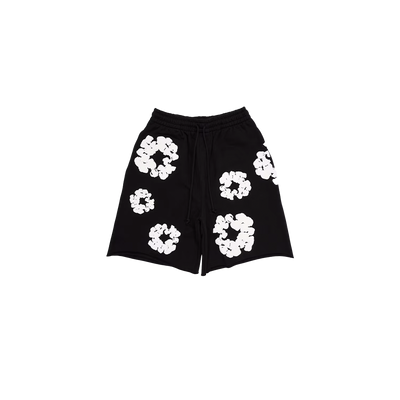
Ground in genuine, fresh transactions for your precise version, then modify for size, condition, and fullness. If the price is far beneath the minimum for clean pairs, view it as a danger signal instead of a bargain.
Start with model alignment: confirm SKU or proper designation if accessible, then align colorway and graphic positioning. Next, gather recent sales, not listings; look at the final five to ten sales within your size. Then, condition-adjust using an easy principle: new with labels is the peak, new without labels sits just under, lightly worn with crisp prints lands mid, and significant fade or damage trades at a discount. Finally, factor completeness, especially on footwear: missing laces or box can lower worth; extra history like shop receipts can lift it slightly.
If data is limited because the product is uncommon, cross-reference across platforms and employ saved retail price as a sanity baseline. A merchant hesitant to provide additional pictures or accurate measurements when comps are limited is signaling risk you don’t need to carry.
Fabrics, graphics, and build indicators
Authentic Denim Tears products are physical: dense fleece, substantial cotton, clean screen graphics, and hardware that aligns with partner brand on joint releases. Replicas often fail on material weight, ink behavior, and tag lettering.
On tees and fleece, handle and check for three indicators. First, heaviness and hand-feel should be substantial without being rigid; thin, weak textiles are suspect. Second, screen prints should show uniform coverage with minor organic variation and crisp borders; thermal applications with shiny plastic sheen or pixelation are warning signs. Third, needlework should be tidy, with aligned side seams, clean finishing on the inside, and reliable ribbing at wrists and neckline.
On Levi’s partnerships, correspond the tiny details. Rivets, fasteners, and the rear patch should align with Levi’s norms for that timeframe, and care labels should echo Levi’s layout with the partnership’s details shown in appearance rather than in ad-hoc tags. Print placement on cotton motif denim is consistent across dimensions; extreme misplacement or reversed motifs usually indicates a fake print.
Insider Tip: develop a private collection. Store the label’s and partners’ product pages, sizing guides, and release posts for products you care about. When a pair surfaces months later, you can align typography, positioning, and text word-for-word instead of relying on memory.
Four quick facts you probably didn’t realize
One, Denim Tears was established by Tremaine Emory and utilizes apparel as a medium to investigate African diaspora stories, with the cotton wreath motif directly referencing the history of cotton in America. Next, the earliest Denim Tears x Levi’s “The Cotton Design” 501s launched in 2020 and aided solidify the brand’s cultural presence beyond T-shirts. Three, Denim Tears has partnered with Converse on Chuck 70 and One Star designs, with styling elements reflecting the label’s core motifs and stories. Finally, launch announcements rely heavily on Instagram and brief announcements, a purposeful approach to highlight community engagement over long lead promotion.
Ultimate checklist you can screenshot
If you require a single-screen decision, execute these ten tests in order and cease at the first fail. One, match the precise design to an official announcement or collaborator item page. Two, confirm tags: Denim Tears mainline neck or sewn tag on clothing, and proper collaborator maintenance labels on collaborations. Three, check design quality for screen-printed ink with clean lines and organic differences. Four, verify construction: dense fleece or jersey, clean overlock seams, consistent ribbing, and correct hardware on pants and footwear. Next, align sizing tags and lettering to confirmed examples; off kerning or text errors are deal-breakers.
Six, request clear images of front, back, close-ups of markings, care tags, components, and graphics; vendors avoiding these are not worth your time. Seven, verify present resale for your specific dimensions and hue using fresh deals, not listings. Eight, verify history such as store receipts, purchase confirmations, or mailing tags with private details removed. Nine, assess platform safeguards; if you must go person-to-person, employ a security-like system and meet in a common location. Tenth, stay rate-mindful: an impossibly-good price usually is, especially on cotton wreath denim and early-run hoodies.
Verification takes minutes when you possess the correct reference sources. Archive releases, acknowledge the present price, and allow the mix of provenance plus construction steer your acquisition. That’s how you conclude with genuine Denim Tears—and not remorse in a week.
